
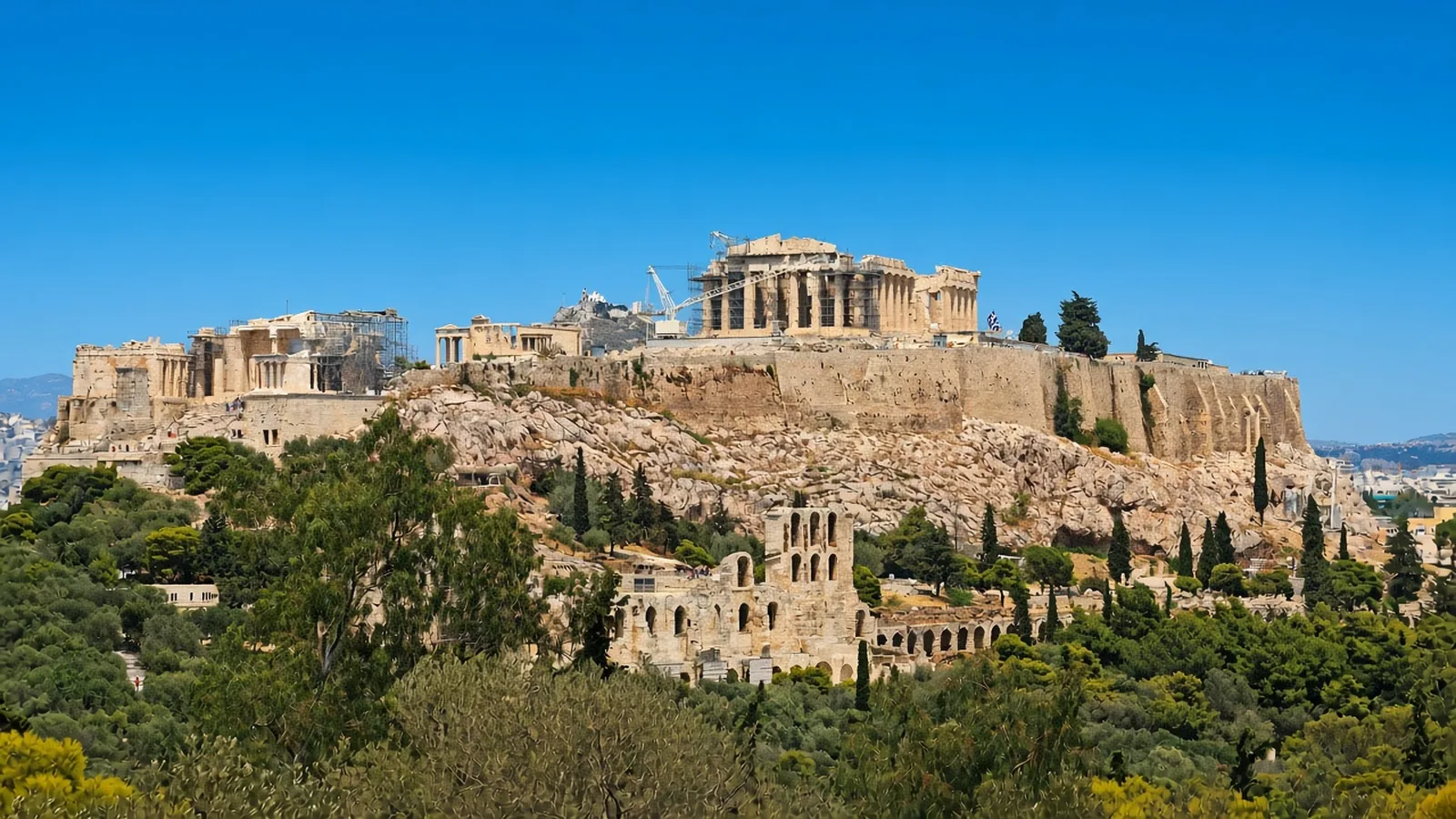
Athens works as a short city break and as the starting point for the islands. The main ancient sites sit close together, the food is good at almost every budget, and you can walk a surprising amount of the centre if you choose the right neighbourhood. It is also a city people underestimate: beyond the Acropolis there are residential streets, markets, hills with views, and a coastline you can reach by train.
The mistake on a first visit is to treat the city as a single postcard around Plaka. Stay close enough to walk to the hill, but think about noise, shade and how you want to spend the evenings. Two or three well-paced days in Athens are more satisfying than a single exhausted afternoon of ruins in the heat.
A practical way to plan a short stay is to pick one or two hills or clusters of sites for each morning, then leave the hot middle of the day for a museum, a long lunch, or a neighbourhood café. If you are connecting to a ferry, keep the sailing day simple: the port is easy to reach, but it is not close enough to squeeze in a major site and a tight departure.
Best areas to stay
Plaka and Anafiotika
, on the slopes below the Acropolis, are the classic first-time base: lanes, painted houses, and a short walk to the main sites. They are also touristy, often pricier, and some streets stay noisy late in summer. If you stay here, look for a quieter side street rather than a room over a main pedestrian thoroughfare.
Monastiraki and Psyrri
sit at the lively heart of the centre — food, bars, the market, and a genuine downtown hum. They suit travellers who want evenings out and do not mind noise. They are less ideal if you want an early night with children or if you are a light sleeper.
Koukaki
, on the other side of the Acropolis, has become a favourite for a reason. It feels like a neighbourhood, with cafés and restaurants, and you can still walk to the sites. It works well for couples and for stays of a few days, and it is a strong choice if you want to come back in the evening to somewhere that does not feel like a theme park.
Syntagma and Kolonaki
are tidier and more convenient for transport and shops. Kolonaki feels a little more polished. These areas suit travellers who prefer broader streets and easy connections over picture-book lanes.
Pangrati
is more local, with good food and a slightly lower-key atmosphere, a walk or short ride from the centre. It is a nice base for a longer stay or a return visit. Piraeus only makes sense around ferry times, not as a default base for seeing Athens.
Search stays in the area
The map shows places to stay nearby. Pan and zoom, then compare prices. If you book through the link, we may earn a commission at no extra cost to you.
Affiliate link. We may earn a commission at no extra cost to you.
When to go
Spring and autumn are the most comfortable seasons for walking between sites. Summer is hot, and a midday visit to the Acropolis can be draining. If you come then, go early, use the museum or shaded neighbourhoods in the afternoon, and keep water with you.
Winter in Athens is mild by northern European standards. You will often find shorter queues, some rain, and occasionally reduced hours. Around Orthodox Easter the city and the ferries can be busier. August is peak summer travel in Greece generally; the famous sites stay busy even when some locals leave town.
There is no single “cheapest month” that always holds. What does repeat is the value of flexible dates: midweek is often easier than a peak weekend, and a day or two on either side of a holiday can change both fares and hotel availability. If you are adding islands, check ferry frequency in the shoulder season before you assume the same timetable as July.
Getting from the airport
Athens International Airport (Eleftherios Venizelos) is linked to the centre by metro line 3, which runs to Syntagma and other useful stops. The ride is typically around forty minutes to three-quarters of an hour, depending on the time of day and where you get off. Express buses also run to the centre and to Piraeus, and official taxis or licensed transfers are available.
If your stay is near a metro station, the train is usually the most straightforward option. If you land very late, or you have a lot of luggage, a taxi from the official rank is simpler. Ignore unofficial offers in the arrivals hall.
If you are sailing onward, treat Piraeus as a separate leg. There are metro and rail connections, and you should leave a generous buffer on ferry days, especially in summer when the port is busy.
Tips to save money
Athens is a city where you can eat well without sitting down at the most obvious table facing a ruin. A few streets off the main tourist lanes in Plaka will usually serve you better for the price. Tap water in the city is generally considered drinkable; a refillable bottle helps in summer.
A multi-day transit pass is worthwhile if you will also go to Piraeus, the coast, or neighbourhoods farther out. If you are mostly walking between Plaka, the Acropolis and Koukaki, you may only need a ride or two.
For the archaeological sites, do the arithmetic on combined tickets. They can be good value if you will actually visit several places while the ticket is valid. If you only want the Acropolis, a bundle is wasted money. Book official tickets and be cautious of resellers who mainly add a markup.
If your trip includes islands, compare a flight into Athens plus a ferry with a direct flight to the island, including the time on the road or at sea. The cheaper first ticket is not always the cheaper trip. And leave more time than you think between a ferry and a departure flight; connections that look fine on a map feel tight on a hot, busy day.
Frequently asked questions
Which neighbourhood is best for a first visit?
Plaka, Monastiraki, Psyrri and Koukaki are the usual first-stay choices because you can walk to the Acropolis and the central sites. Plaka is pretty and touristy; Koukaki feels more residential; Monastiraki and Psyrri are livelier at night.
How do I get from the airport to the centre?
Metro line 3 is a straightforward link to Syntagma and other central stops. There are also express buses, and official taxis or licensed transfers. The metro is usually the simplest option during operating hours if you are not carrying unusually heavy bags.
Is it worth staying in Piraeus?
Only if you have a very early ferry or a late arrival from the islands. For a city break in Athens itself, stay in the centre or in Koukaki and travel to the port on the day you sail.
When is Athens most comfortable to visit?
Spring and autumn are the most pleasant seasons for walking. Midsummer is hot, and the main sites are busy. Winter is mild compared with northern Europe, with fewer visitors on many days, and some rain and shorter opening hours at certain sites.
Do I need a car in Athens?
No. The historic centre is walkable, and the metro, buses and trams cover the rest. A car is more of a burden for a city stay than a help, and is only worth considering if you are leaving for the mainland beyond the usual day-trip range.
Should I book the Acropolis in advance?
In busy months, a timed ticket — when that system is in use — can save you a long queue. Check the official ticket site close to your trip, and be wary of third-party bundles that add sites you will not have time to visit.
More guides
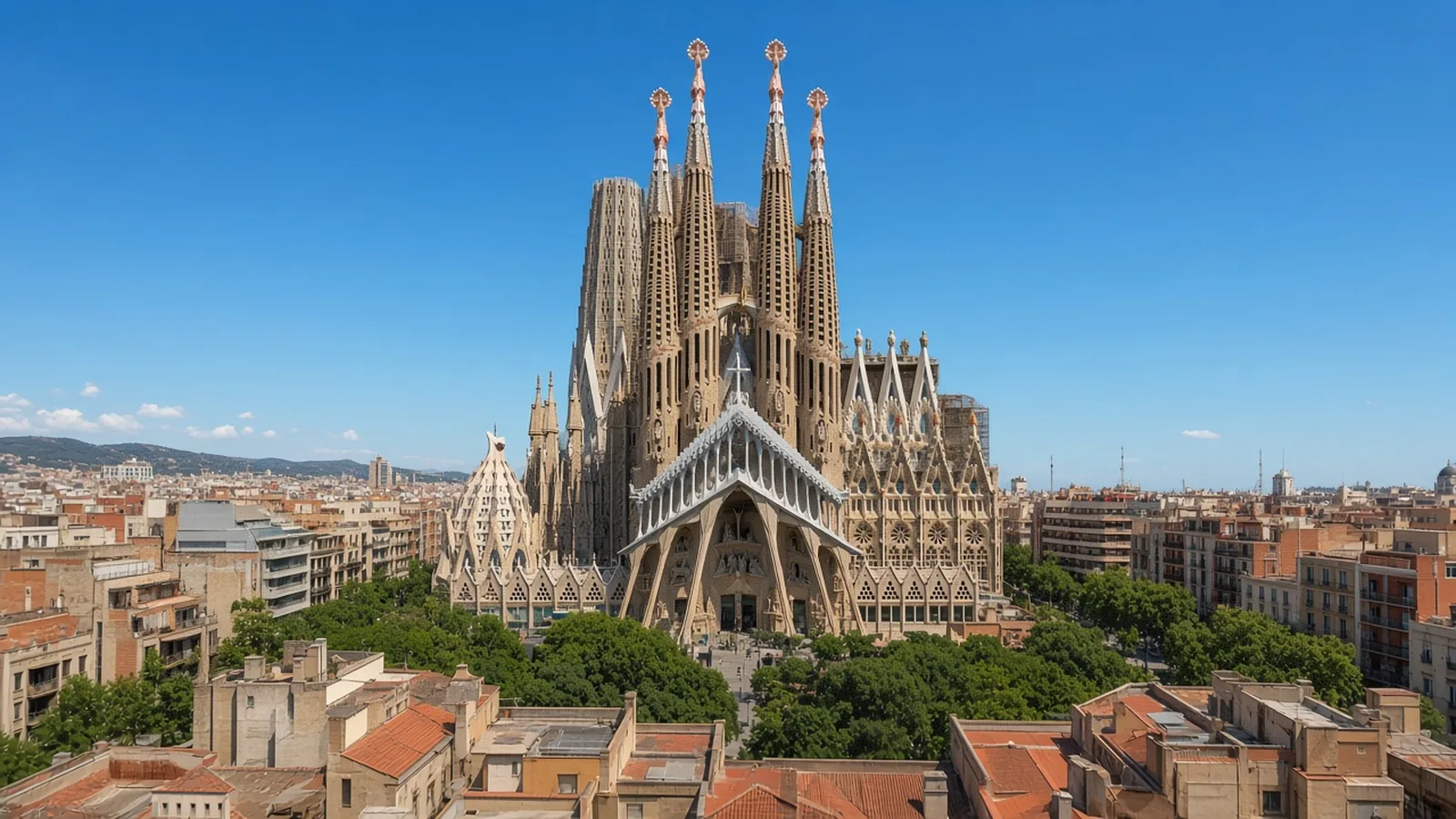
Barcelona
A practical Barcelona guide: Gothic Quarter, Eixample, Gràcia and the beach, when to go, airport transfers, and ways to keep a city-and-sea trip affordable.
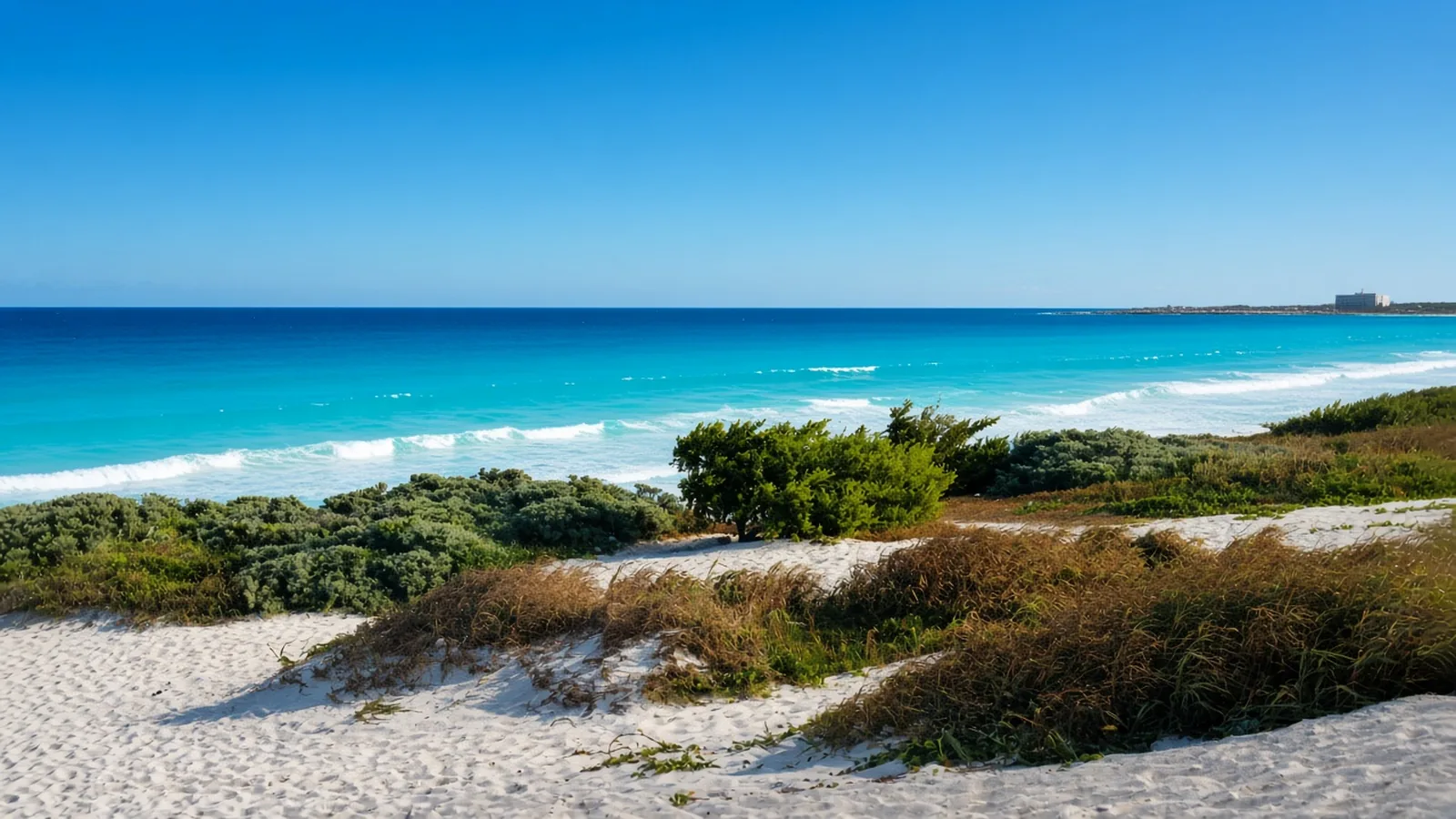
Cancún
A practical Cancún guide: Hotel Zone versus downtown, the dry and wet seasons in general terms, airport transfers, and ways to keep a beach trip under control.

Prague
A practical Prague guide: Old Town, Malá Strana and Vinohrady, the best seasons to visit, airport transfers, and sensible ways to save — for travellers from anywhere.